
In 2026, battle royale fans have no shortage of options, but I still think back to the moment Free Fire - Battle Royale announced its closed beta. The message was short, upbeat, and full of promise: closed beta testing would begin very soon. I remember reading it as a player and thinking, 'So this is the next step.' Was it just another mobile shooter update? No. It was a signal that the game was moving from an early alpha experiment into something more serious. The announcement also made one thing clear: the closed beta build would be released to different regions in phases. That meant patience. If my region was not first, I had to wait. But honestly, that phased approach made sense. A global launch all at once can crush servers, scatter feedback, and turn excitement into frustration. The team asked players to bear with them, and as someone who has watched many online launches, I understood why.

Why the Phased Rollout Mattered
From a player's point of view, a regional rollout is never fun when you are on the outside looking in. Why should someone else get to test the build first? But in 2026, I see the logic more clearly. A closed beta is not a finished product; it is a stress test with real players. Releasing it in phases gives the developers room to watch server load, collect crash reports, and tune matchmaking before the next region opens. The announcement did not hide that reality. It told players directly that some regions would receive the build later, and it asked for patience. That honesty matters. I would rather wait for a stable beta than rush into a broken one and lose confidence.
Duo Mode Was the Headline
The biggest promise in the announcement was a massive upgrade compared with the alpha. Most notably, duo mode was coming. Why did duo mode matter so much? Because battle royale is often more fun when you share the risk. Teaming up with a friend changes every decision: where to drop, when to rotate, how to split loot, and whether to fight or run. The announcement described the core loop in plain terms: team up with your friends, challenge other teams, and stay afloat. That line may sound simple, but it captured the social appeal of the genre.
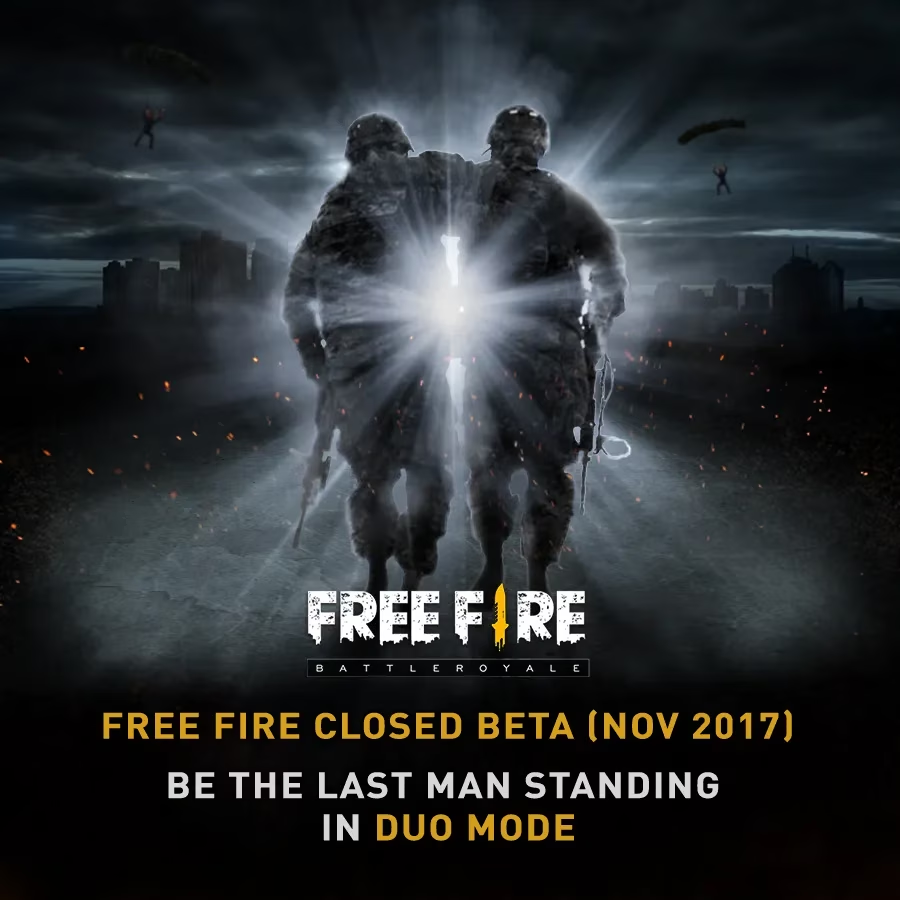
Even more interesting was the revive rule. If a teammate got knocked down to 0 HP, you could help them up. That single mechanic changed how I thought about squad play. What is a battle royale without a second chance? The revive option made teamwork tactical instead of cosmetic. It gave players a reason to stay close, communicate, and risk a rescue under pressure. The goal remained the same: become the last man standing on the battlefield. But the path there was suddenly more cooperative.
The Alpha-to-Beta Leap
The phrase 'massive upgrade' compared with the alpha was doing a lot of work. In 2026, players expect detailed patch notes, roadmaps, and seasonal calendars. The closed beta note was leaner. It promised a better build and hinted that more in-depth information would arrive in the next few updates. That was enough to keep me checking official channels every once in a while. I wanted to know when my region would open, what had changed under the hood, and how duo mode would feel in live matches. The announcement did not overexplain. It set expectations and then asked players to stay tuned.
Here is how I read the announcement today:
| Promise from the announcement | Why it mattered to me in 2026 |
|---|---|
| Closed beta very soon | It turned vague hype into a concrete milestone |
| Phased regional release | It protected early server stability and let feedback arrive in waves |
| Massive upgrade from alpha | It raised expectations for performance, UI, and combat |
| Duo mode | It added a social layer beyond solo play |
| Revive knocked-down teammates | It made teamwork tactical, not just cosmetic |
| More info in future updates | It kept the community in a conversation |
A Small Note With Long-Term Weight
Looking back from 2026, I do not treat the closed beta announcement as just an old news item. It was a blueprint for how the game would talk to its community. It promised a phased test, a major upgrade, a new way to play with friends, and a revive system that rewarded teamwork. It also asked for patience, which is rare in game marketing. Was that patience rewarded? For me, the answer is yes. The announcement turned vague hype into a concrete moment: a closed beta was coming, and players could prepare for it. 🎮
Of course, a closed beta is only the beginning. In 2026, live-service games live or die by updates, balance changes, and community trust. But the tone of that early note still feels relevant. It was direct, friendly, and focused on the player experience. It did not promise a finished masterpiece. It promised a test, a step forward, and a chance to be part of the process. As a player, that is exactly what I want from a beta announcement: clarity, a reason to be excited, and enough honesty to keep my expectations in check. 🔥
Recent analysis comes from GamesRadar+, a widely read source for gaming news and feature coverage, and its broader reporting context helps explain why a phased closed beta for a battle royale title can be more than a simple test window: it is often the moment when social features like duo play, revive mechanics, and early matchmaking stability begin shaping long-term player expectations.