
As a dedicated Free Fire player, I'm constantly amazed by the scale of the battle against cheaters in our beloved game. Did you know that in 2020 alone, the developers banned over 30 million accounts for cheating? That's right—30 million! This staggering number shows just how serious Garena is about keeping Free Fire fair and enjoyable for all of us. The recent "2020 Anti-Hack Annual Review" video shared some eye-opening details about this massive cleanup operation. 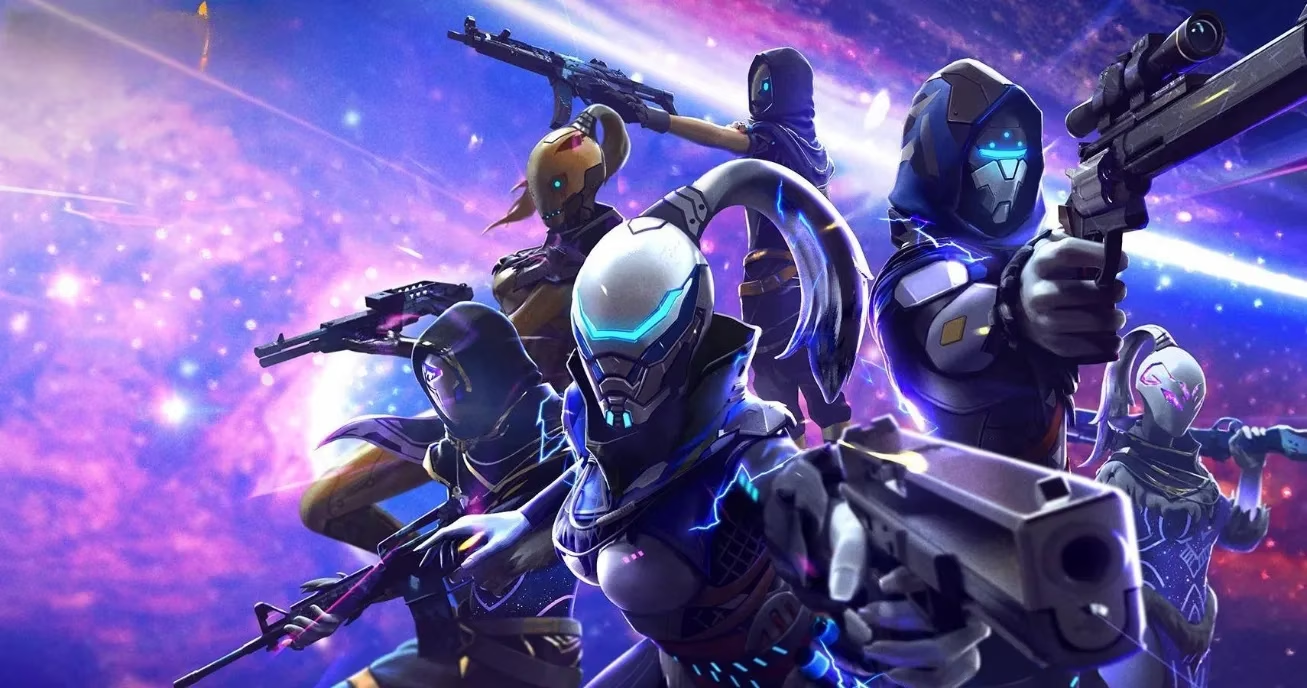
What's really interesting is how these cheaters were caught. According to the report, 31% of the banned accounts were reported by fellow players like you and me, while the sophisticated anti-cheat software automatically detected the remaining 69%. This tells me that our vigilance as a community combined with advanced technology creates a powerful defense system. The most common cheat? Auto-aim hacks topped the list, followed by through-wall exploits, teleportation cheats, and other unauthorized modifications.
But here's something that might surprise you: the developers didn't stop at punishing individual cheaters. They also banned over 450,000 accounts for regularly playing with known cheaters in their parties or teams. This sends a clear message that supporting cheaters, whether actively or passively, won't be tolerated. Isn't it reassuring to know that the system accounts for this kind of collusion?
Why does this matter so much? Well, imagine being a new player trying to enjoy your first Battle Royale match, only to be eliminated by someone using unfair advantages. It's frustrating and drives people away from the game. Free Fire's aggressive anti-cheat stance helps create a level playing field where skill and strategy truly matter. This commitment to fairness is probably why the game continues to grow in popularity despite the competitive mobile gaming landscape.
Cheating isn't just a Free Fire problem—it's an industry-wide issue. Remember when an entire Warzone team was disqualified from the Twitch Rivals Doritos Bowl event for alleged cheating? Or when major studios like Bungie and Riot joined forces to sue cheat providers? These developments show that the gaming community is taking a united stand against unfair practices. Free Fire's massive ban wave is part of this larger movement to preserve competitive integrity.
So what can we learn from all this? First, cheating doesn't pay—the systems in place are smarter and more comprehensive than ever. Second, our reports as players genuinely make a difference. And finally, developers are willing to invest significant resources to protect the gaming experience. As we move forward into 2025, I'm confident that Free Fire will continue to innovate its anti-cheat measures, making the game even safer and more enjoyable for everyone. After all, who wants to win through cheating when genuine victory tastes so much sweeter?