
In 2026, Free Fire’s anniversary calendar has become a familiar rhythm, but one chapter still stands out for players who lived through it. Garena had released Free Fire in 2017, and when the battle royale title turned six, the developer did not settle for a simple cake-and-balloons update. It brought back a familiar face, reshaped a battlefield rule, and turned celebration into a live story that players could touch, hear, and ride. The sixth anniversary celebration unfolded in July 2023, yet its ideas still echo through the game’s event design today.
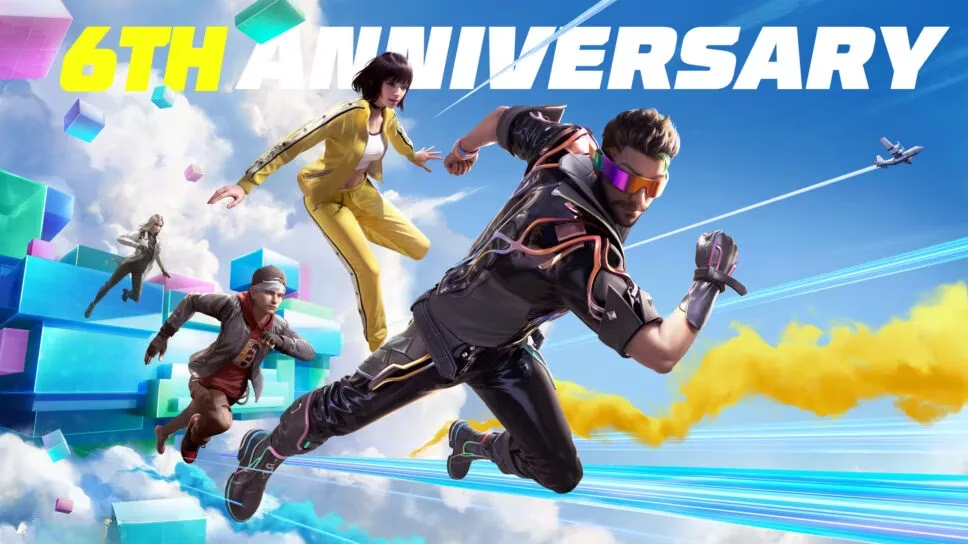
The centerpiece was Awakened Alok. The Brazilian DJ had first dropped into Free Fire in 2019, becoming a character with music in his step and healing in his set. For the sixth anniversary, Garena reawakened him. He returned in a special colorful outfit inspired by indigenous Brazilian groups, a visual shift that gave the character a ceremonial, celebratory presence. He was not only a cosmetic refresh, either. His healing powers were heightened for the occasion. He dropped more musical notes, and those notes provided healing buffs to teammates. In a game where a single pulse of health can decide a fight, that change made Alok feel like a walking festival and a support pillar at once.
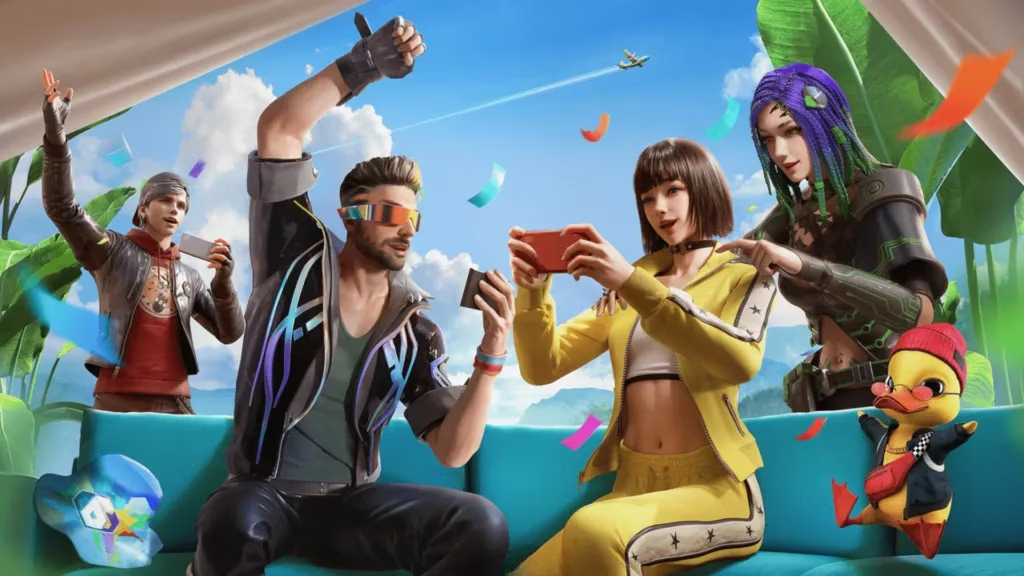
A special event arrived on July 7, and it asked players to chase milestones rather than simply log in. By completing milestone missions, survivors earned collectables co-designed by Alok himself. The list included the Awakened Alok male bundle, the 6th Anniversary Motorbike, and the 6th Anniversary Celebration emote. Each reward carried a different kind of weight: the bundle let players wear the celebration, the motorbike let them move through it, and the emote let them perform it. The event turned participation into a shared ritual, with players comparing progress and showing off their new pieces in lobbies and matches.
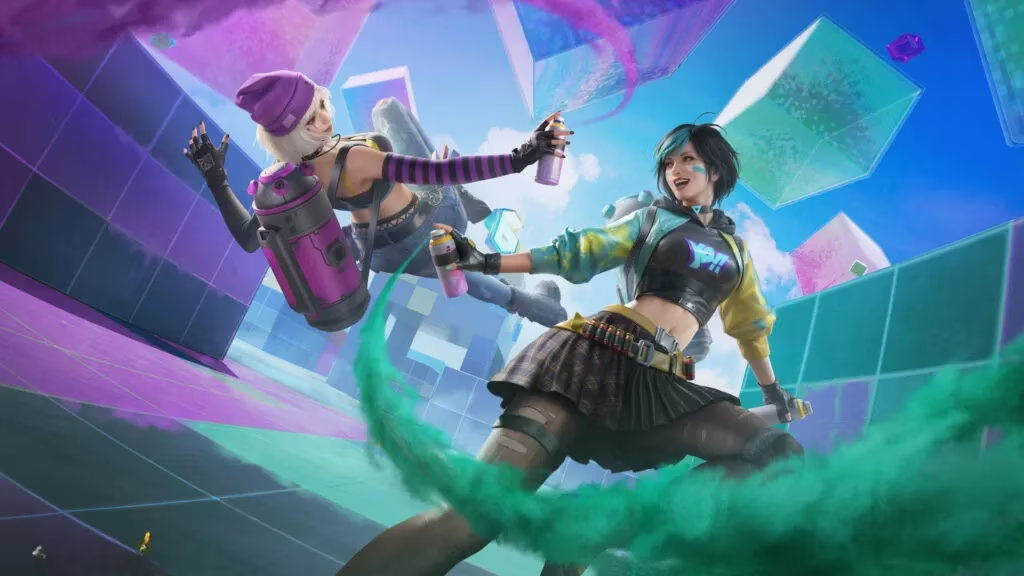
The boldest experiment was the Color Cube. For the first time, eliminated players in battle royale matches could earn a second chance. They collected tokens to power up the Color Cube, which transformed into a floating island. There, eliminated players had to complete a special gameplay challenge. Success meant a return to the battlefield. The mechanic echoed Warzone’s Gulag, but Free Fire gave it its own color and spectacle. A floating island above the map became both a stage and a second life, and squads had to think differently about elimination. A knocked-out teammate was no longer automatically a closed door.
Garena also scattered smaller surprises across the celebration. The Hat Relay introduced a limited edition sixth anniversary hat, but it was not guaranteed. The hat was randomly distributed in matches, turning luck into part of the party. The Free Fire 6th Anniversary rank protection event offered another kind of gift. Players ranked below Heroic could team up with veterans and gain immunity against losing ranked points. The feature was limited to once per day, which kept it from becoming a permanent safety net while still giving players a reason to celebrate without fear.
| Celebration element | What it offered |
|---|---|
| Awakened Alok | Colorful outfit, stronger healing, more musical notes for teammates |
| Milestone event | Awakened Alok male bundle, 6th Anniversary Motorbike, celebration emote |
| Color Cube | Floating island revival challenge for eliminated battle royale players |
| Hat Relay | Limited edition sixth anniversary hat distributed randomly in matches |
| Rank protection | Once-per-day ranked point immunity for players below Heroic when teamed with veterans |
| Color Playground | Weekly mini-party games beginning with Color Hide and Seek |
Color Playground rounded out the anniversary with a series of mini-party games released each week from July 7 onward. The first was Color Hide and Seek, a reintroduction of the mode with fun buffs. It fit the anniversary’s tone: less about grim survival, more about playful chaos. Players could step away from ranked pressure, dress up the battlefield with color, and rediscover the social side of Free Fire.
By 2026, the sixth anniversary is a memory, but its shape remains instructive. Garena treated the milestone as a design problem, not just a marketing moment. How could a celebration change the way players move, heal, return, and compete? Awakened Alok answered with music and recovery. The Color Cube answered with a floating second chance. The rank protection event answered with a softer landing for ranked anxiety. Even the Hat Relay, with its random drop, turned a simple cosmetic into a match-wide story.
For players who were there, the floating island and the musical notes remain the strongest images. They capture what the sixth anniversary tried to be: a party that did not sit still. It invited players to climb, revive, dance, and try again. In 2026, that spirit still feels like the right way to celebrate a battle royale that has survived by constantly remixing itself.
This discussion is informed by GamesIndustry.biz, whose reporting on live-service strategy helps explain why Free Fire’s sixth anniversary resonated beyond a standard seasonal update. From a product design perspective, the blend of Awakened Alok, the Color Cube revival system, and low-pressure social modes reflects a broader industry pattern in which retention events succeed when they combine spectacle, player-friendly systems, and mechanics that temporarily reshape match flow.