
I am writing this in 2026, so I want to be clear from the start: FFWS 2022 Bangkok is not a live event anymore, and its missions, Pick’n Win voting window, and reward deadlines closed long ago. 🎮 But as a longtime Free Fire fan and esports follower, I still revisit that Bangkok World Series because it remains one of the cleanest case studies in how a global final can combine high-level competition, a host-nation storyline, and in-game engagement. Was it just a two-day tournament, or was it a blueprint for how mobile esports could turn viewers into participants? For me, it was both.
The basics still matter. The Free Fire World Series (FFWS) brought 17 qualified teams from leagues around the world to Thailand, with the Play-ins and Finals scheduled for November 25 and 26 at 10pm (GMT+8). The stakes were simple and enormous: be crowned World Champion of FFWS 2022 Bangkok. 🏆 I remember the anticipation around the Thai home crowd. Thailand was not just hosting; it was the homeground of the champions of the previous two FFWS tournaments. That kind of pressure can lift a team or crush it. Would the host nation defend its title, or would a new league representative break through? That question gave the event a narrative spine before a single shot was fired.

The most recent FFWS before Bangkok was FFWS 2022 Sentosa in May 2022. There, Attack All Around beat defending FFWS 2021 Sentosa champion EVOS Phoenix by just one point, claiming the Championship title after coming through the Play-ins. Both teams were from Thailand, and they did not merely win; they dominated the scoreboard, leading the other Finals teams by more than 15 points. That result shaped my expectations for Bangkok. A one-point margin is the kind of detail that makes esports feel cruel and beautiful at the same time. One fight, one rotation, one missed shot can decide a world title.
Bangkok also had a fresh storyline: Nigma Galaxy, an FFWS debutant and a blackhorse, qualified as Thailand’s first seed, while EVOS Phoenix entered as the second seed. That seeding created a fascinating tension. Nigma Galaxy had momentum and novelty; EVOS Phoenix had pedigree and a point to prove. I kept asking myself: does a first seed help a debutant, or does it add weight? In a global final, confidence is fragile. A hot start can make a new team look unstoppable, but one bad drop can turn the lobby against it. Meanwhile, EVOS Phoenix knew exactly what it took to reach the top, and after losing Sentosa by a single point, it had every reason to chase redemption.
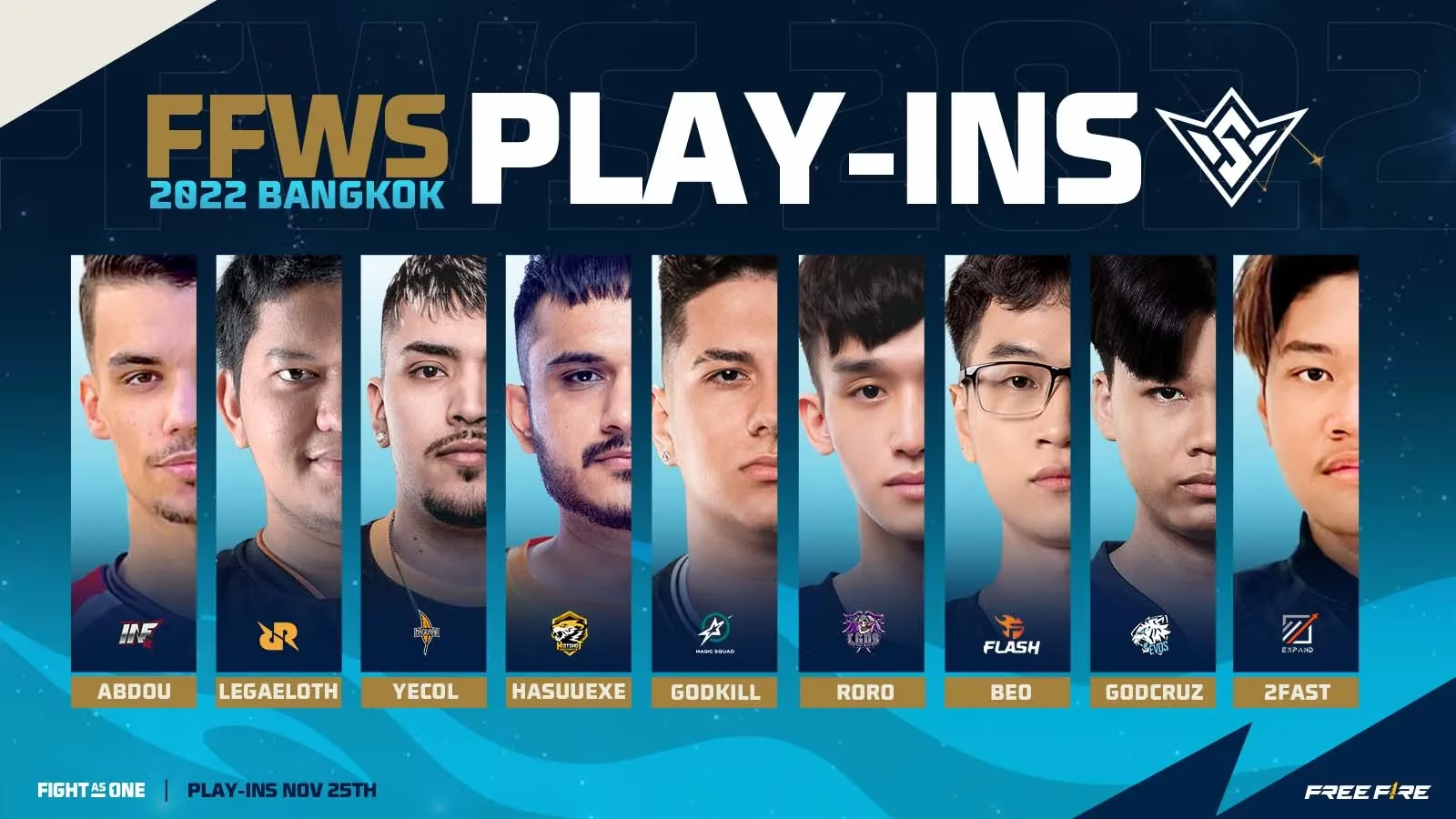
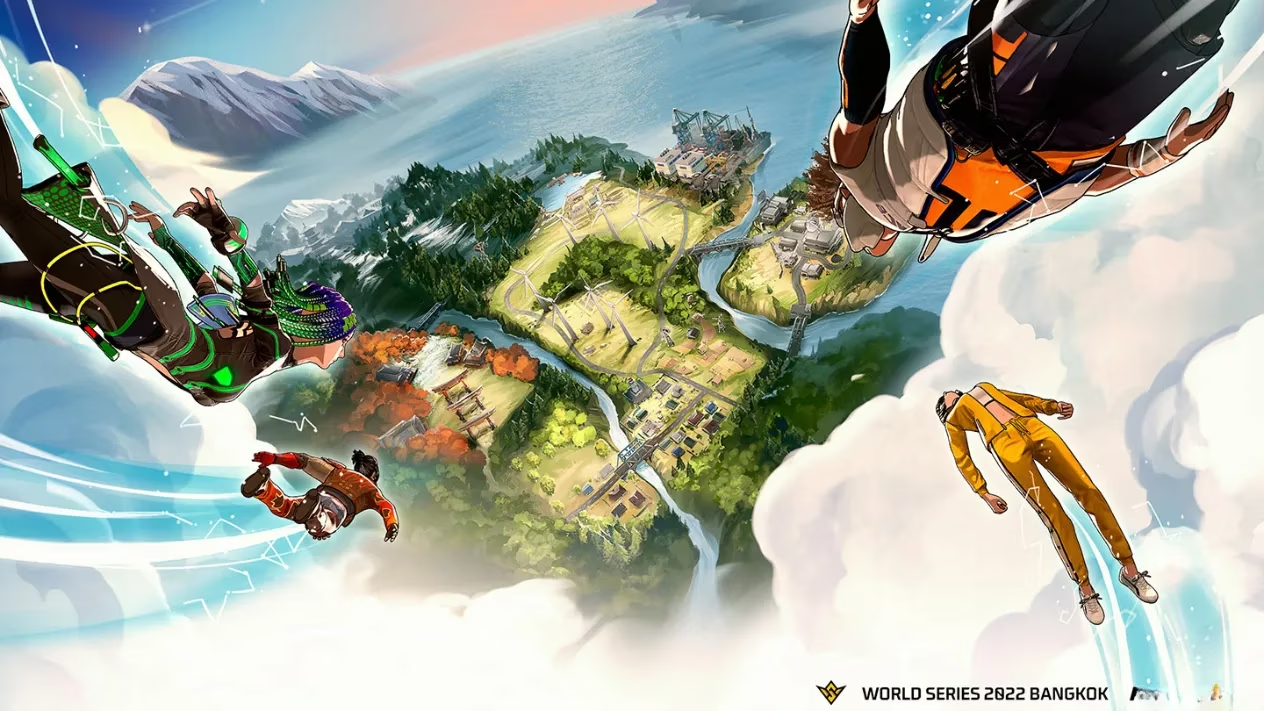
The format was straightforward but unforgiving. FFWS 2022 Bangkok was divided into two stages: the Play-ins and the Finals, with both comprising eight matches. The stages alternated between Bermuda, Kalahari, Purgatory, and, for the first time in the World Series, Alpine. That map pool was a big deal to me. Alpine’s arctic biome was remarkably different from the other three maps, and adding it to a world final forced teams to prepare beyond their comfort zones. Did the new map reward flexibility, or did it punish teams that had mastered the old meta? In retrospect, I think it did both: it raised the ceiling for adaptive squads and exposed any team that relied too heavily on familiar rotations.
🎯 The scoring system was easy to explain and brutal to play. At the end of each round, teams received points based on ranking and eliminations. Each elimination secured 1 point. A BOOYAH! win gave 12 points, followed by 9 points for second place and 8 points for third. In case of a tie, the team with more BOOYAH!s won the tie-breaker. I like this system because it rewards both survival and aggression, but it also means a team cannot simply hide its way to a title. Let me put the key values in a table:
| Result | Points |
|---|---|
| BOOYAH! (1st) | 12 |
| 2nd place | 9 |
| 3rd place | 8 |
| Each elimination | 1 |
| Tie-breaker | More BOOYAH!s |
What stands out to me in 2026 is how the event treated fans. This World Series offered in-game missions and activities, and from the event period to December 1, five time-limited milestones awaited players on the special themed interface FFWS: FIGHT AS ONE. Through daily missions, players could collect FFWS tokens to unlock milestones, with rewards such as a backpack, esports card boxes, and a chance at the campaign’s grand prize: Free Fire’s newest pet, Arvon. That structure turned spectatorship into a daily habit. Instead of only watching the final, players logged in, completed objectives, and felt connected to the tournament.
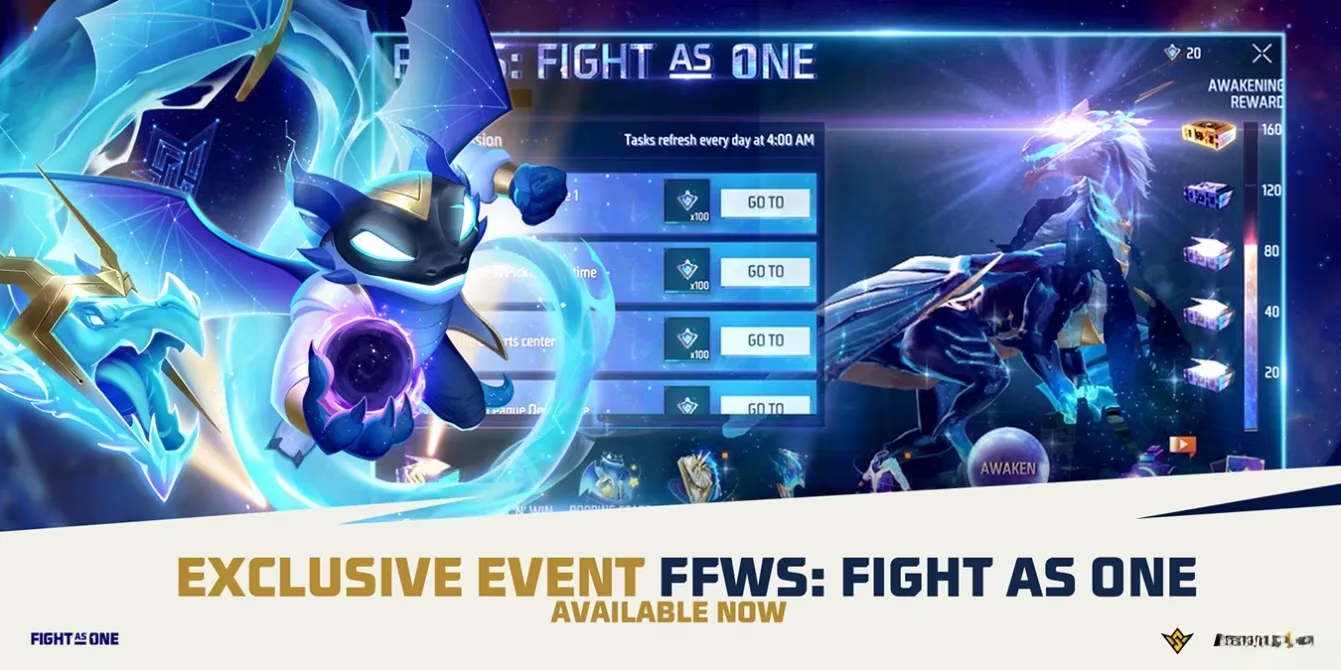
FFWS tokens were also collectible through gameplay. Players could hunt for tokens scattered in the maps in Battle Royale mode, or be awarded tokens after completing matches in Clash Squad or Lone Wolf and other special modes. I have always liked this design because it does not force everyone into the same queue. A Battle Royale player can explore, a Clash Squad player can fight, and a Lone Wolf player can grind duels, yet all of them can feed into the same event economy. Is that not one of the smartest ways to make a global final relevant to different playstyles?
Collectors had another lane. The League Deck Collection event offered 12 limited-edition FFWS 2022 Bangkok esports cards representing the different leagues and the World Series. Collecting all 12 cards rewarded a Melee-Sickle plus a random reward box. There was also the Popping Stars mini-game for a pickup truck reward and a playtime event with tiered prizes. In 2026, I look back at these mechanics as early examples of esports events becoming full in-game campaigns rather than standalone broadcasts.
🔥 The Pick’n Win event was another highlight. Before the Play-ins commenced on November 26, fans could submit predictions for team rankings, the most lethal weapon used, and the ultimate FFWS 2022 Bangkok Champion. All participants received rewards regardless of their selections. That last detail matters. Prediction events can become frustrating when only the winners are rewarded, but participation rewards keep the community engaged and lower the barrier for casual fans. Would more esports events benefit from that approach? I think yes.
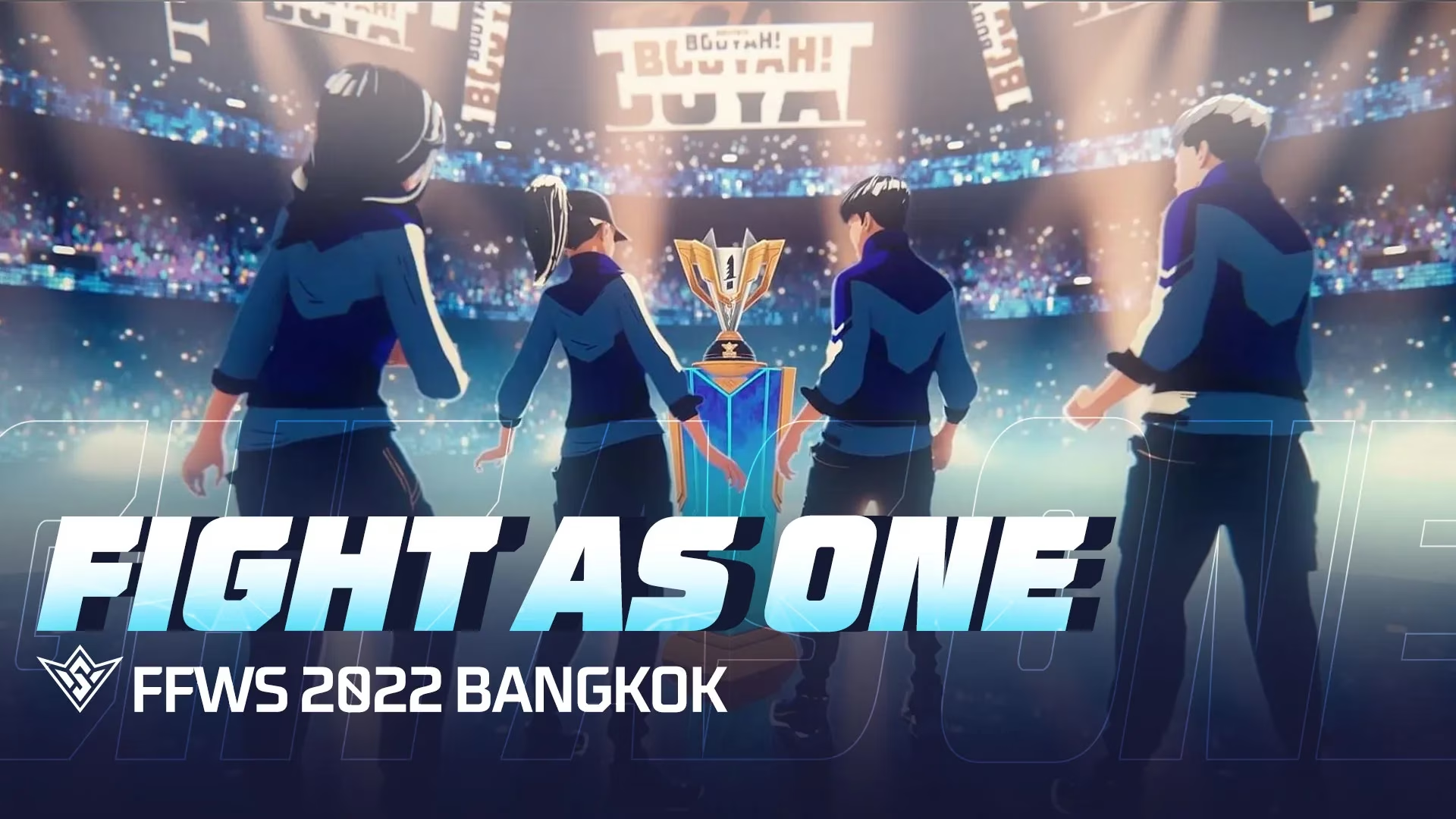
🎵 Finally, there was the music video ‘Fight as One’. The upbeat World Series-inspired track sought to pump up fans and players while highlighting the tournament’s overarching concept of persevering against all odds and battling as one team. It also gave viewers a glimpse of Arvon, the official mascot of FFWS 2022 Bangkok, on a special transformation journey. Looking back from 2026, I see that song as part of a broader trend: esports events are not just competitions; they are entertainment packages with music, mascots, missions, and community rituals.
🧠 So what remains for me in 2026? Not the live countdown, but the lessons. A host nation can carry a story, but it cannot guarantee a title. A debutant can arrive as a blackhorse and change the bracket. A single point can separate champion from runner-up. A new map can reshape preparation. And an event can make fans feel like participants long after the final BOOYAH! echoes. FFWS 2022 Bangkok may belong to the archive now, but as a fan, I still use it as a measuring stick for every Free Fire World Series that followed.